

Complex PTSD (CPTSD) occurs as a result of repeated or ongoing traumatic events. Complex trauma can happen at any time in life, however, it is commonly rooted in attachment injuries related to childhood abuse or neglect. Most often there is a combined wound, in which you experience deficient nurturance from loving caregivers coupled with inadequate protection from dangerous situations or people. Growing up in an environment of fear, chaos, rejection, and abandonment has significant and long-lasting repercussions on physical and emotional health.
As a result of attachment trauma, you might carry beliefs that you are damaged, not lovable, or that you cannot trust anyone. You might have feelings of shame, unworthiness, or helplessness. Perhaps, you feel plagued by anxiety or believe that you don’t belong in this world.
Sometimes there is a combined wound of attachment injuries and other traumatic experiences within complex PTSD. For example, parents who are incredibly good and loving may have been unable to sufficiently nurture you during childhood, or not protect you from harmful people or experiences.
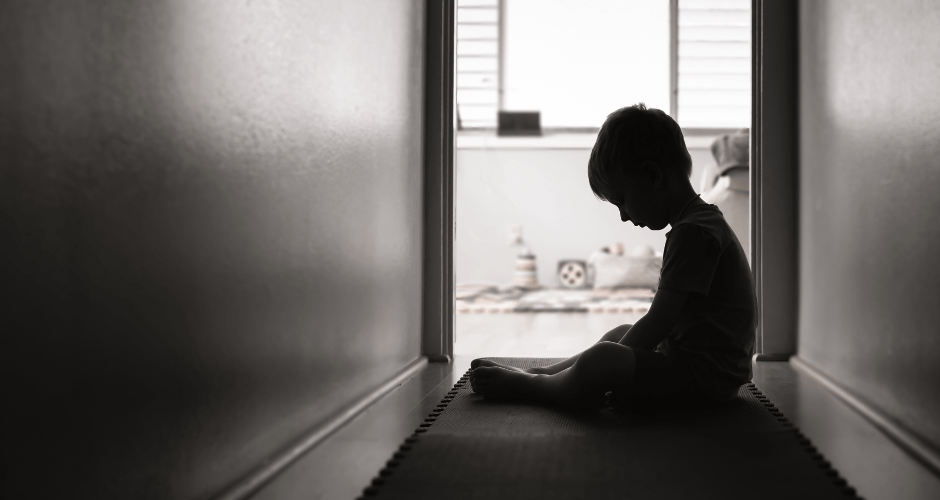
Perhaps you developed in an environment of chaos, rejection, fear, or emotional neglect. You may continue to experience a negative impact on your physical and emotional health. You may also believe no one can love you, that you are broken, or that it is impossible to connect with or trust others.
“Attachment trauma can lead you to withdraw from relationships in order to avoid further rejection or hurt. Or, you might feel overly dependent upon others and fearful of rejection. If you relate to these symptoms, it is important to know that you are not alone. These painful emotions are remnants of your past.”
Dr. Arrielle Schwartz
Dr. Arielle Schwartz
The “Complexity” of CPTSD
Most individuals with CPTSD are unaware of their symptoms as they are well-accustomed to functioning in a triggered state. It is what has become their normal way of living. They don’t link their difficulties in life to trauma. They do not realize there is hope and healing for their overwhelmed minds and bodies. They are hurt but not broken! Treatment is available.
CPTSD is relational meaning it stems from relationships, often the most important relationships. It is also typically developmental, meaning it happened during the time of brain development. The trauma experienced was typically recurring rather than single-incident and inflicted by a caregiver, someone who was trusted. This includes parents, guardians, other relatives, church leaders, neighbors, or teachers.
CPTSD is Complex and Difficult to Recognize
CPTSD is rooted in the childhood years of brain and nervous system development. Thus it impacts your ability to recognize and regulate your emotions. Finding any sense of safety or trusting others becomes difficult and thus adult relationships are filled with obstacles.
A disorganized attachment style is common with CPTSD. You have difficulty understanding your emotions, recognizing your body’s physical sensations, determining if your thoughts are right or wrong, and having any clarity around your feelings. Boundaries do not come naturally and often feel wrong. Relationships are difficult. Trusting is difficult. It is hard to make any sense of why life feels so hard!
Because making sense of the CPTSD experience feels impossible, you likely blame yourself. You may experience excessive amounts of shame, self-blame, and self-hatred for being so different. You may feel you overreact, are over-sensitive, dramatic, explosive, or childish. In time, this becomes part of your personality, your identity.
It is NOT simply who you are! But it takes treatment to untangle the complex trauma from your identity.
The Roots of CPTSD
CPTSD means your nervous system was overwhelmed during your formative years. It is not simply a matter of changing your thoughts or behaviors (a “top-down”/cognitive or CBT approach). Rather, a “bottom-up” approach is needed to heal the trauma in the body.
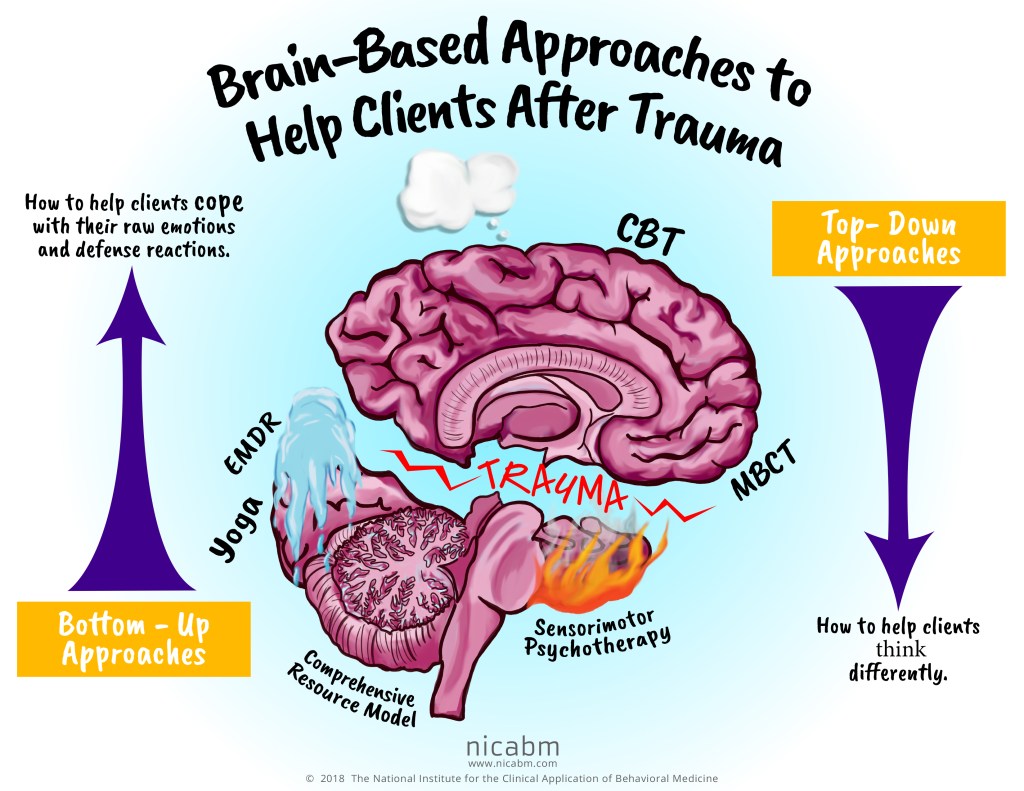
With complex trauma, you were likely not nurtured or protected as a child, you developed in this way, and now your adult life is impacted in many ways.
Understanding CPTSD

- CPTSD is not about faulty thinking or behavior. It is deeply held within the nervous system and one’s view of their identity. It is not easy to identify.
- It is difficult to identify exact root causes of CPTSD or to identify what aspects of a person are not connected to CPTSD. It impacts almost every aspect of one’s development.
- Individuals with CPTSD struggle with the shame that something is deeply wrong with them. Although often not voiced out loud, they have such internal beliefs as – it’s all my fault, I’m too much, I am a burden, I am stupid, I am weird, I hate who I am, nobody can love me, nobody wants to hear what I have to say.
- Fragmentation of the mind and forms of dissociation are characteristics of CPTSD. A child’s brain has the ability to fragment or dissociate from the present reality in order to cope. This is a beautiful gift, a strategy, available through the design of our nervous systems. As you move into adulthood, you may become aware of parts of yourself or memories that seem fragmented or partially hidden from your awareness. You may also notice you have an ability to zone out or be not fully present in fearful situations. This is not a flaw, but rather a strategy of your nervous system for coping. Unfortunately, this often begins causing problems for you in adulthood.
- You may be more prone to other dissociative mechanisms, such as alcohol, drugs, disordered eating, and sex as a means to numb from pain and overwhelming emotions.
- Individuals with CPTSD commonly struggle with using their voice – knowing themselves, having opinions, speaking up, and sharing secrets.
- CPTSD involves difficulty trusting self and others. It is common to fixate on being a “burden” to others who care.
- CPTSD involves shame, which continues to grow if you isolate and remain secretive.
- Flashbacks are common. Sometimes these may be visual or auditory memories, but more often these are emotional flashbacks – reacting with strong emotion to a present-day trigger because of an association with past trauma.
- CPTSD involves a strong yearning for love. However, because it is difficult to find safety in relationships or trust others, they may long for love while simultaneously pushing people away. They struggle to establish healthy relationships and maintain existing friendships.
- Individuals with CPTSD lack a point of reference for how they could experience life differently. They have a hard time relating to stories in books or movies or what they witness in those around them. There is no internal reference for what “safety” feels like in the body.
- Individuals with CPTSD may be diagnosed with Borderline Personality Disorder (BPD). The difficulty with emotional regulation, strong feelings of neediness, reactivity, lack of self-worth, mood swings, impulsivity, and other coping mechanisms are characteristic of BPD. Essentially, BPD is a pathological label for someone who has survived complex trauma. When the lens of trauma is used, the diagnostic label of BPD is unnecessary as symptoms were survival strategies.
- Because the nervous system is always scanning for danger, these individuals experience either hyperarousal or hypo-arousal as chronic states of coping. Because the nervous system has been disorganized since childhood, the condition feels devastating.
- They usually feel broken – that there is something severely wrong with them. There is so much internal chaos it impacts all of their relationships, constantly increasing levels of shame.
- Attachment trauma is not necessarily due to physical or sexual abuse. The attachment injury may be from emotional neglect or attachment trauma stemming from a caregiver’s disorganized, insecure, or avoidant attachment style.
- These individuals get stuck trying to convince themselves their experiences were “not that bad”, especially since this was their “normal” growing up. Another pervasive belief is “it was my fault” and “I should have done something”. This leaves them believing they should have the power to fix things now. However, CPTSD is rooted in powerlessness. The truth is that it was bad. It was not normal. It was not your fault. You could not have prevented it. You need support now to heal.
Great resilience comes with CPTSD. These individuals rarely feel resilient or strong, yet they have developed strategies to survive nearly anything!
Healing CPTSD

Part of the healing process involves increasing awareness and insight into the impact of the trauma on the self. This is where we begin to untangle the trauma from your identity. Together we begin to recognize the parts of yourself that formed due to trauma and the respect, protection, and nurturing that these parts need.
You already possess the power for healing. Working with a therapist will help remove the obstacles that are in the way – the areas where trauma got “stuck” in the body. The trust and safety that develops in the relationship with a therapist help to correct the attachment injuries your body learned in past relationships. The therapeutic relationship creates a new trusting foundation that you will carry into other relationships in your life. You will discover your strengths and the many ways you are resilient. You will be seen and your voice will be heard.
Recommended Reading
Coping with Trauma-Related Dissociation: Skills Training for Patients and Therapists, by Kathy Steele, Onno van der Hart, and Suzette Boon
Transforming the Living Legacy of Trauma: A Workbook for Survivors and Therapists, by Janina Fisher, PhD.
Loving a Trauma Survivor: Understanding Childhood Trauma’s Impact On Relationships
All The Little Fragments: Understanding Complex Relational Trauma, by Annie Wright, LMFT
What is CPTSD?, from Beauty After Bruises
Healing the Fragmented Selves of Trauma Survivors: Overcoming Internal Self-Alienation, by Janina Fisher, PhD.
 Mind and Body Therapy